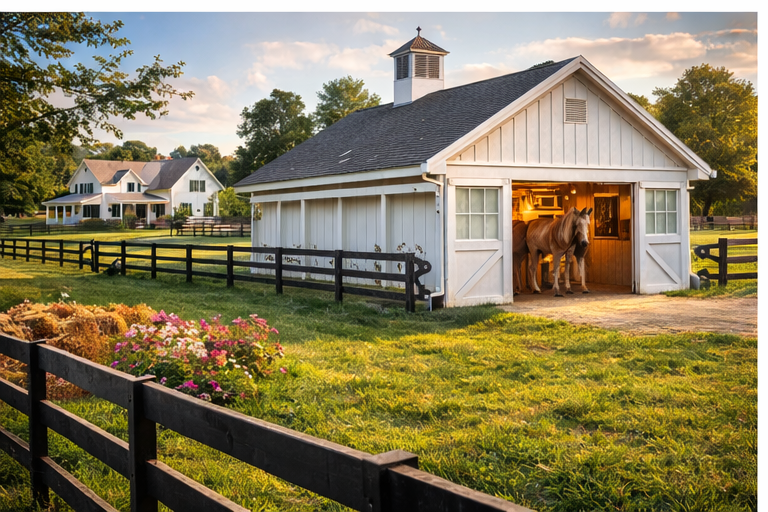
 When buying an equestrian property, zoning is one of the most important factors to review—yet it is also one of the most commonly overlooked. Zoning determines how the land can be used today and in the future, including how many horses are allowed, what structures can be built, and whether the property can be expanded or modified over time.
Confirming zoning before making an offer helps prevent costly surprises and ensures the property supports both your lifestyle and long-term goals.
Why Zoning Matters for Horse Properties
Zoning regulations govern what is legally permitted on a property. For equestrian buyers, this impacts:
-
The number of horses or livestock allowed
-
Whether barns, arenas, or outbuildings can be constructed
-
Land-use limitations that affect boarding, training, or breeding
-
Future expansion or resale options
Even properties with large acreage can be restricted if zoning is not appropriate.
Common Zoning Types for Equestrian Properties
While zoning classifications vary by county and municipality, equestrian-friendly zoning often includes:
-
Agricultural zoning: Typically allows horses, barns, fencing, and agricultural use. This is often the most flexible option for equestrian properties.
-
Rural residential zoning: May allow horses with acreage minimums or animal-per-acre limits.
-
Residential zoning: Often restricts or prohibits horses entirely, even on larger lots.
Understanding these classifications is essential before committing to a purchase.
How Zoning Affects Property Value
Zoning impacts not only usability, but also marketability and value. Properties with equestrian-friendly zoning:
-
Attract a broader pool of qualified buyers
-
Allow greater flexibility for improvements
-
Retain value more effectively over time
Restricted zoning can limit buyer interest and future resale options.
Don’t Confuse Acreage With Permission
A common misconception is that more acreage automatically means horses are allowed. In reality, zoning—not land size—determines what is permitted.
Buyers should always confirm:
-
Animal-per-acre limits
-
Required permits for barns or arenas
-
Setbacks, easements, and environmental restrictions
Failing to do so can result in fines, denied permits, or required property modifications.
Planning for Future Expansion
Even if your current plans are modest, zoning should support future needs. Consider whether the property allows:
-
Additional horses
-
New barns or riding arenas
-
Boarding or training operations
Zoning flexibility helps protect long-term value and lifestyle options.
Why Experience Matters
Navigating zoning regulations can be complex. An experienced equestrian real estate professional helps buyers:
-
Interpret zoning codes
-
Verify permitted uses with local authorities
-
Identify red flags before purchase
-
Avoid unexpected restrictions
Experience saves time, money, and frustration.
Work With Kimberly Sut Group
At Kimberly Sut Group, we guide buyers through zoning, land use, and property evaluation for equestrian properties across Northwest Indiana. Our experience ensures you purchase land that truly supports your goals—now and in the future.
👉What’s My Property Worth? https://www.kimberlysutgroup.com/seller/homeestimate/default
Call or text: (219) 789-1987
Visit our website: https://www.kimberlysutgroup.com
Follow us on Facebook: https://www.facebook.com/Kimberlysutrealestate/


Read our 5-Star Google Reviews: https://g.page/r/CVNvGzCU3UZ3EBM/review

Kimberly Sut Group
Top Realtor for Buyers & Sellers in Northwest Indiana
Specializing in VA Homes, First-Time Home Buyers, Estate Sales & Relocations