Chickens
June 16, 2026
Why Experience Matters When Buying a Chicken-Friendly Home
View More
 Buying a home that allows chickens involves much more than finding a property with a large backyard. Zoning laws determine whether poultry is permitted, how many hens are allowed, whether roosters are prohibited, and where coops can be placed. Setback requirements, minimum lot sizes, and accessory structure rules all factor …
Posted in
Chickens
no comments yet
June 7, 2026
Adding Chickens After You Buy a Home
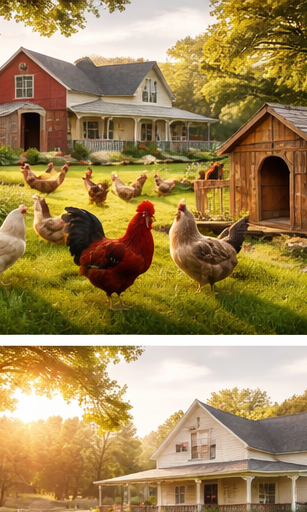 Many buyers purchase a home with plans to add chickens later, once they are settled in. While this approach can make the transition easier, it requires careful research before closing. Not every property that appears suitable for chickens is legally approved for poultry. Zoning classifications, neighborhood restrictions, and local ordinances …
View More
Posted in
Chickens
June 6, 2026
Can Chickens Affect Resale Value?
 Chickens themselves typically do not hurt property value, especially as interest in sustainable living continues to grow. Many buyers appreciate the idea of fresh eggs, backyard gardens, and a more self-sufficient lifestyle. In some markets, a well-maintained chicken setup can even attract a niche group of buyers who see it …
Posted in
Chickens
June 2, 2026
Chicken Coop Rules Buyers Often Miss
 One of the most overlooked aspects of buying a chicken-friendly home is understanding how chicken coops are regulated. In many municipalities, coops are classified as accessory structures—similar to sheds, detached garages, or small outbuildings. This means they may be subject to building codes, zoning ordinances, and placement requirements. Buyers often …
Posted in
Chickens
May 31, 2026
Are Roosters Allowed When Buying a Home?
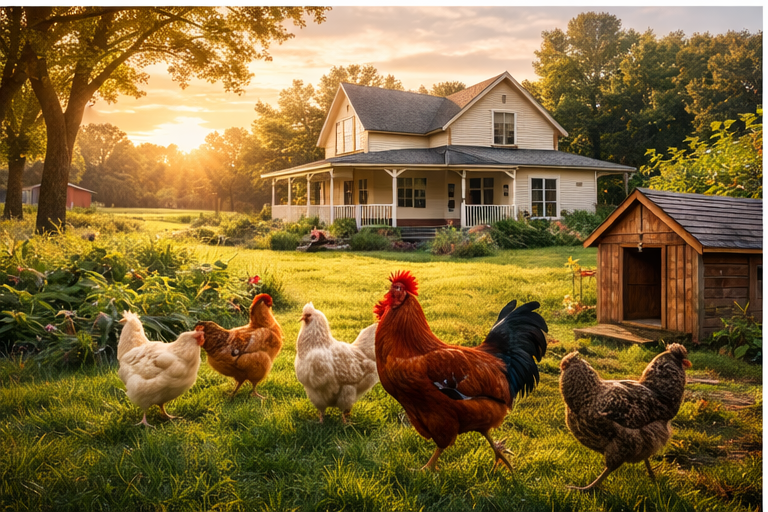 Roosters are one of the most commonly restricted aspects of backyard chicken ownership. While many municipalities allow a limited number of hens, roosters are often prohibited due to noise ordinances. Early morning crowing can disrupt neighbors, especially in residential neighborhoods with smaller lot sizes. As a result, local governments frequently …
Posted in
Chickens
May 27, 2026
How Lot Size Impacts Chicken-Friendly Homes
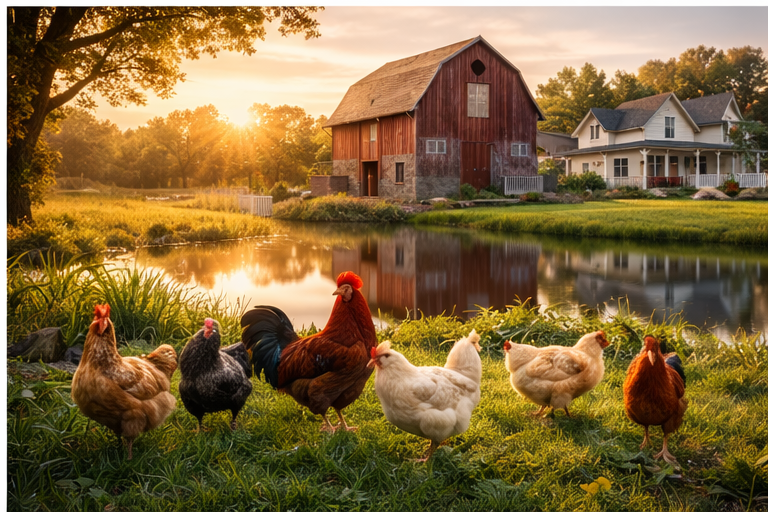 Lot size is one of the most important factors in determining whether a home can support backyard chickens. Many municipalities tie poultry allowances directly to acreage, limiting the number of hens based on how much land a property contains. Smaller residential lots may permit only a few hens—or none at …
Posted in
Chickens
May 24, 2026
How HOA Rules Can Prevent Chicken Ownership
Even when a city or county ordinance allows backyard chickens, a homeowners association (HOA) can prohibit them entirely. HOA rules are private agreements that homeowners agree to follow when purchasing property within a subdivision. These covenants often restrict livestock, agricultural activity, and certain exterior structures. As a result, even if …
Posted in
Chickens
May 21, 2026
Do All Rural Homes Allow Chickens?
 Many buyers assume that rural or country properties automatically allow chickens. Wide-open spaces, larger lots, and agricultural surroundings can create the impression that there are no restrictions. However, rural does not automatically mean unrestricted. Even in the countryside, properties are governed by zoning classifications and local land-use regulations that determine …
Posted in
Chickens
May 19, 2026
Buying a Home That Allows Chickens: What Buyers Should Know
 More buyers today are searching for homes that support backyard chickens, gardens, and a more self-sufficient lifestyle. Fresh eggs, sustainable living, and greater connection to food sources are appealing to families across suburban and rural markets. However, while interest in backyard poultry has grown, not every property legally allows chickens. …
Posted in
Chickens
May 17, 2026
Can You Have Chickens in Lowell, Indiana? What Home Buyers Need to Know
 Many buyers looking at homes in Lowell, Indiana are interested in keeping backyard chickens for fresh eggs, sustainability, or a more self-sufficient lifestyle. While Lowell offers a mix of residential and semi-rural living, chickens are not automatically allowed at every property. Buyers should understand the local rules before purchasing a …
View More
Posted in
Chickens