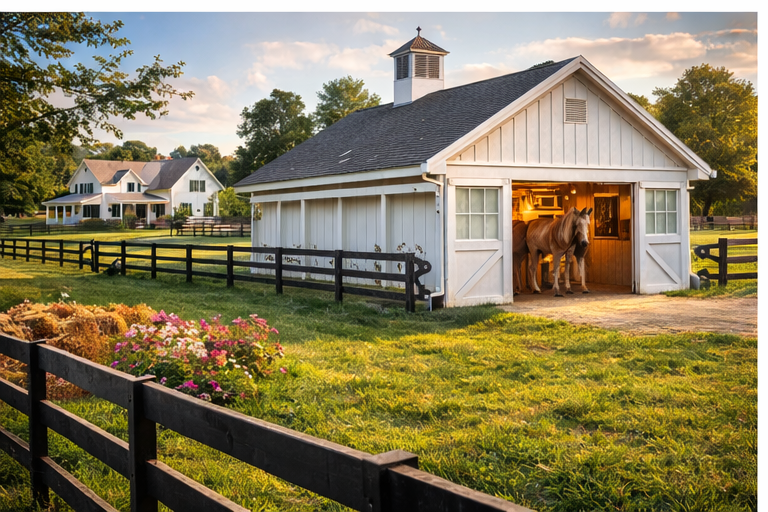
 When buying an equestrian property, pasture land is one of the most important features to evaluate. A property may have plenty of acreage, but land quality determines how usable, safe, and cost-effective that acreage will be. Good pasture supports healthy horses and manageable upkeep, while poor pasture leads to mud, erosion, and higher long-term expenses.
Land quality matters—often more than the number of acres.
Healthy Grass Indicates a Functional Pasture
Good pasture starts with strong grass coverage. Look for:
-
Thick, established grass rather than bare or patchy areas
-
Grass varieties suitable for horses
-
Minimal weed or invasive plant growth
Sparse grass can indicate drainage issues, overgrazing, or poor soil conditions—all of which can increase maintenance costs.
Proper Drainage Is Essential
Drainage is critical for pasture usability. Poor drainage creates:
-
Standing water and mud
-
Increased risk of hoof problems
-
Erosion and uneven ground
-
Limited turnout during wet seasons
Well-drained pasture stays usable longer throughout the year and reduces the need for costly repairs.
Soil Quality Affects Long-Term Maintenance
Soil composition plays a major role in how pasture performs. Heavy clay soils may retain too much moisture, while sandy soils may require more frequent management.
Understanding soil quality helps buyers anticipate:
-
Grass durability
-
Reseeding and fertilization needs
-
Ongoing maintenance costs
Soil that supports healthy grass growth reduces both labor and expenses.
Safe Fencing Protects Horses and Property
Pasture fencing should be designed specifically for horses. Buyers should look for:
-
Horse-safe fencing materials
-
Secure posts and proper spacing
-
Gates that allow easy access for equipment and turnout
Unsafe or deteriorating fencing can become an immediate expense and safety concern.
Pasture Layout and Rotation Matter
Usable pasture isn’t just about grass—it’s about layout. Well-designed pasture allows for:
-
Grazing rotation to prevent overuse
-
Easy access from barns and shelters
-
Separation of turnout areas when needed
Properties with multiple turnout options are easier to manage and maintain over time.
Consider Ongoing Costs
All pasture requires maintenance, but poor-quality land costs more in the long run. Buyers should consider:
-
Mowing, fertilizing, and reseeding needs
-
Manure management
-
Supplemental feed requirements
Better pasture often results in lower feed costs and less intensive upkeep.
Why Experience Matters
Evaluating pasture land requires more than a visual walkthrough. An experienced equestrian real estate professional helps buyers:
-
Identify drainage or soil issues
-
Estimate improvement costs
-
Assess long-term usability
-
Avoid purchasing land that becomes a financial burden
Experience helps protect both lifestyle and investment.
Work With Kimberly Sut Group
At Kimberly Sut Group, we help buyers across Northwest Indiana evaluate pasture land and equestrian properties with confidence. Our experience ensures the land you purchase supports your horses, your goals, and your long-term investment.
👉What’s My Property Worth? https://www.kimberlysutgroup.com/seller/homeestimate/default
Call or text: (219) 789-1987
Visit our website: https://www.kimberlysutgroup.com
Follow us on Facebook: https://www.facebook.com/Kimberlysutrealestate/


Read our 5-Star Google Reviews: https://g.page/r/CVNvGzCU3UZ3EBM/review

Kimberly Sut Group
Top Realtor for Buyers & Sellers in Northwest Indiana
Specializing in VA Homes, First-Time Home Buyers, Estate Sales & Relocations