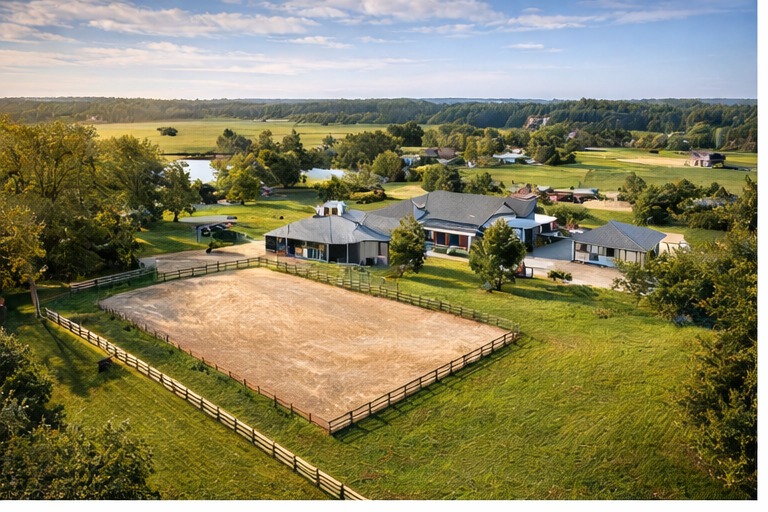
 One of the most common questions buyers ask when searching for a horse property is how much land is enough. The answer is not one-size-fits-all. The amount of acreage you need depends on zoning regulations, pasture management practices, and how you plan to use your horses.
Understanding land usability matters far more than the total number of acres listed on a property.
Zoning Determines What’s Allowed
Before determining acreage needs, zoning must be reviewed. Zoning regulations dictate:
-
How many horses are allowed per acre
-
Whether additional barns or arenas can be built
-
If agricultural or mixed-use activities are permitted
Some areas allow one horse per acre, while others require more land per animal. Confirming zoning early prevents costly surprises.
Pasture Management Matters
Well-managed pasture can support horses on fewer acres, while poorly maintained land may require significantly more space.
Important pasture considerations include:
-
Soil quality and grass health
-
Drainage and erosion control
-
Ability to rotate grazing areas
-
Access to water and shade
Buyers who plan to rotate pastures effectively may need less acreage than those relying on turnout space alone.
How You Use Your Horses Impacts Acreage Needs
The intended use of your horses plays a major role in determining land requirements.
Examples include:
-
Recreational riding: Often works with fewer acres if pasture is well managed
-
Training or performance horses: May require additional space for arenas and turnout
-
Boarding or breeding: Typically requires larger tracts of land
-
Hay production: Demands more acreage and proper soil conditions
Clarifying your goals helps ensure the property fits both current and future needs.
Usable Acreage vs. Total Acreage
Not all acreage is usable for horses. Slopes, wetlands, wooded areas, and poor drainage can limit functionality.
When evaluating a property, buyers should consider:
-
How much land can actually be fenced and grazed
-
Layout and accessibility for daily use
-
Cost to improve or maintain non-usable areas
A smaller property with highly usable land can outperform a larger property with limited functionality.
Plan for the Future
Even if your current needs are modest, future expansion should be considered.
Questions to ask include:
-
Will zoning allow more horses later?
-
Is there room to add a barn or arena?
-
Will the property appeal to future buyers?
Planning ahead protects long-term value and flexibility.
Why Experience Matters
Acreage properties require more than basic real estate knowledge. Experienced equestrian professionals help buyers:
-
Evaluate land functionality
-
Understand zoning requirements
-
Avoid overpaying for unusable land
-
Select properties that support long-term goals
Experience helps buyers purchase with confidence.
Work With Kimberly Sut Group
At Kimberly Sut Group, we help buyers across Northwest Indiana find horse properties that truly fit their needs. From zoning analysis to land evaluation, our team provides guidance every step of the way.
👉What’s My Property Worth? https://www.kimberlysutgroup.com/seller/homeestimate/default
Call or text: (219) 789-1987
Visit our website: https://www.kimberlysutgroup.com
Follow us on Facebook: https://www.facebook.com/Kimberlysutrealestate/


Read our 5-Star Google Reviews: https://g.page/r/CVNvGzCU3UZ3EBM/review

Kimberly Sut Group
Top Realtor for Buyers & Sellers in Northwest Indiana
Specializing in VA Homes, First-Time Home Buyers, Estate Sales & Relocations